

In 2012, University of Richmond School of Law announced it was joining a growing trend by creating a fellowship program for newly minted graduates interested in public service.
At the time, Dean Wendy Perdue said nearly a quarter of the graduating class was interested in criminal law careers — but getting a foot in the door often required young lawyers to take on unpaid internships while waiting for their bar results to arrive in October. Perdue proposed the four-month Bridge to Practice Fellowship as a launchpad for career success. It would provide a stipend for new graduates pursuing public service careers, increasing access to government and public interest law and giving them crucial experience that would enhance their competitiveness for permanent positions.
The initial fellowship was awarded to five recent graduates. Four landed positions with commonwealth’s attorney offices across Virginia and beyond, while the fifth worked with the California Innocence Project in San Diego. In the years since, recipients have pursued internships with the International Criminal Tribunal, the United States Congress, the Federal Public Defender, and more.
As Perdue steps down from her deanship, we look back at the inaugural class of fellows to see how the Bridge to Practice Fellowship laid the foundation for their careers.
“It did exactly what it was designed to do.”
After an internship with a Nashville prosecutor’s office during his 2L year, Davis Powell, L’12, knew he wanted to work as a prosecutor. The only question was where.
He was considering returning to his home state of Georgia when professor emeritus John Pagan introduced him to Tracy Thorne-Begland, L’98, then the chief deputy commonwealth’s attorney for the city of Richmond.
“It was a great UR connection,” Powell said. “He said if I wanted to do an internship and see if the office had a job when I passed the bar, they could be interested in that. I was able to get the internship through him.”
While Powell said it was encouraging to land the job, working as an unpaid intern for several months would be a challenge. He planned to spend his days working in the commonwealth’s attorney’s office and his nights doing document review to support himself — until law professor Tara Casey mentioned the newly launched Bridge to Practice Fellowship she was leading.
Powell applied — job offer in hand — but wasn’t initially accepted. He pleaded his case, however, and another Richmond Law graduate donated the funds for an additional fellowship.
“I remember thinking the fellowship was a great idea, and I was hopeful I could take advantage of it,” he said. “It allowed me to do the job without staying up all night doing doc review, and I got my foot in the door. It did exactly what it was designed to do.”
“Having that criminal law background gave me a unique skill set, and that’s directly attributable to my Bridge to Practice Fellowship.”
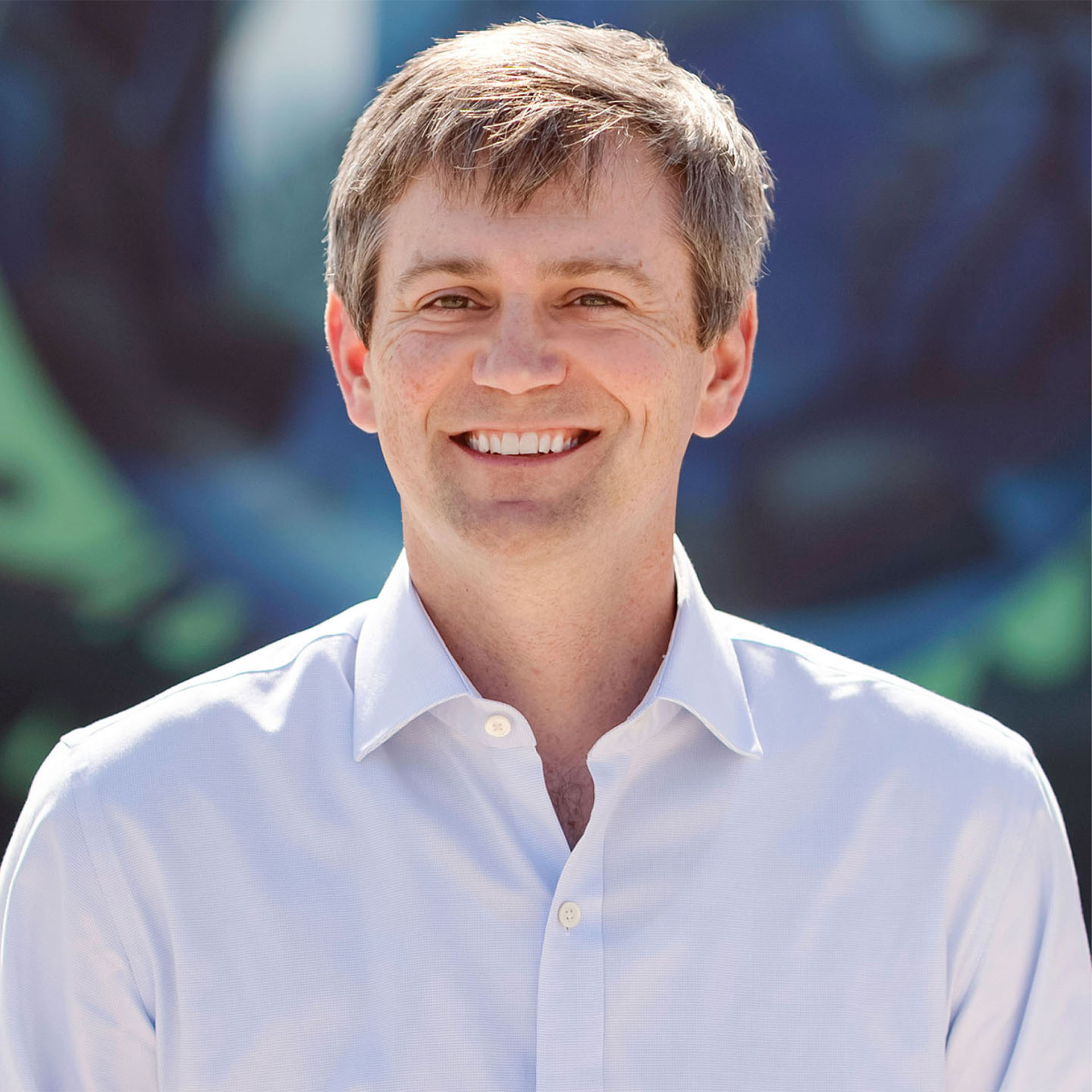
Powell said his internship with the commonwealth’s attorney’s office was essentially a three-month job interview. He was able to confirm he was on the right career path while showing his colleagues that he could do the work.
The day after he received his bar results, he was hired as a full-time assistant commonwealth’s attorney. He spent nearly five years prosecuting drug crimes, robberies, and several homicides.
Then-Commonwealth’s Attorney Michael Herring also supported Powell’s growth as a prosecutor and helped him think about his future career. “It was really interesting work, and I got a lot of great experience in the courtroom,” Powell said. “But I didn’t think I wanted to be a career prosecutor.”
When an opportunity came up to do both civil and white-collar criminal defense work at the Richmond law firm Hancock Daniel, Powell took the leap.
“One thing that was really helpful in getting that job was the fact that I had the criminal experience from the commonwealth’s attorney’s office,” he said.
In late 2019, Powell’s practice group left Hancock Daniel to start their own firm, Byrne Canaan Law. He now represents health care providers in medical malpractice cases, as well as in criminal and regulatory matters.
“Having that criminal law background gave me a unique skill set, and that’s directly attributable to my Bridge to Practice Fellowship,” he said. “I came out of the commonwealth’s attorney’s office with a lot of courtroom experience that let me feel confident going into private practice. I also met great people and formed a lot of good relationships. It was a huge formation period in my career.”
“It gave me a foothold in the practice of law I cared about.”
When Joel Hermsdorfer, L’12, graduated, he was determined to work in criminal law — but was also in the process of moving across the country with his wife, who served in the Navy. He approached the public defender’s office in Monterey County, California, which he said was “more than happy to have somebody come in with their own financing.”
Almost immediately, Hermsdorfer was assigned to a misdemeanor courtroom and argued six jury trials in his first few months.
“The fellowship enabled me to dive in and not worry about how I was going to live, how I was going to make it from week to week,” he said. “I was practicing in a courtroom with supervision from other attorneys and getting good experience. It gave me a foothold in the practice of law I cared about.”
When his fellowship ended, the office couldn’t hire Hermsdorfer permanently, so he instead went into solo practice. He often took on cases involving prison inmates in rural California that the public defender’s office staff couldn’t easily access.
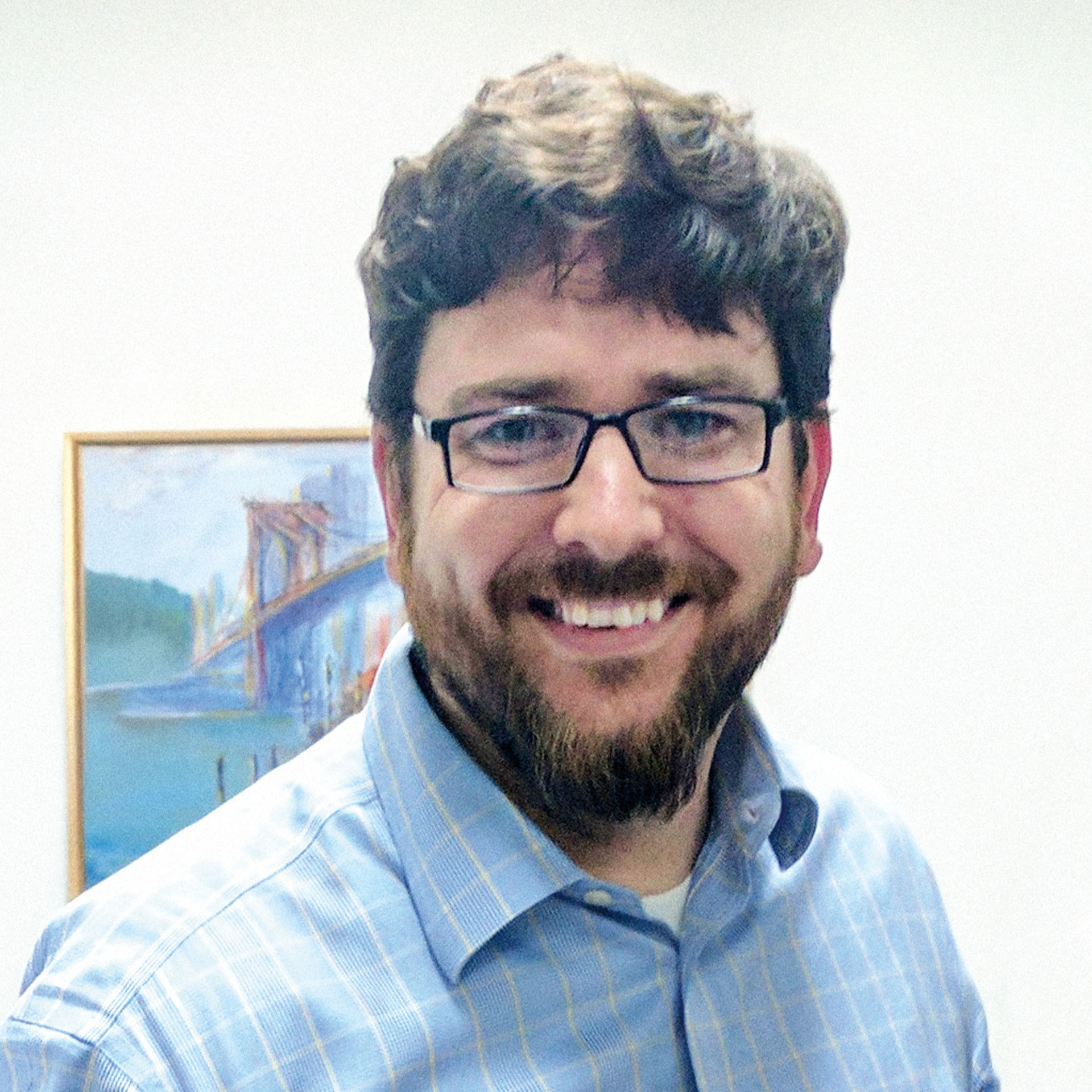
“The fellowship enabled me to dive in and not worry about how I was going to live, how I was going to make it from week to week.”
“The court-appointed cases kept me afloat,” he said, “and those were from all of the contacts I made through the fellowship.”
Today, Hermsdorfer, who previously served in the Army, is an adviser with the Department of Veterans Affairs’ Board of Veterans’ Appeals, where he reviews veterans’ disability claims. He and his wife, who recently retired, are traveling the country in search of where to settle next.
His work today might seem a marked shift from his earlier work in criminal law, but he says a conversation with his fellowship mentor continues to shape his perspective.
He had just been assigned a drunk-in-public case with a potential $200 fine. “I made an offhand comment that it wasn’t that important of a case,” he said. “They didn’t even want to put him in jail. My mentor stopped me and said, ‘This is important to him. You need to put everything you possibly can into this case because you’re representing another person’s interests.’
“It was a smack in the face. I realized my job is to handle everything that comes across my path as well as I can because it’s for the good of the public. Veterans’ law is a grind; I read and write most days. But there’s a purity in being able to say, ‘I’m going to do my absolute best on whatever case comes my way.’”
“The career I started is the career I’ve been in ever since.”
Tim Dustan, L’12, knew early on he wanted to be a prosecutor in a commonwealth’s attorney’s office. It’s the only career path he ever truly considered. As graduation approached, however, he wasn’t sure how to get his foot in the door.
“I came from the West Coast,” he said. “I didn’t know anybody here. There are no lawyers in my family. And [at the time], the main opportunities were to work for free or use your connections to find a way in.”
Casey introduced him to Bridge to Practice, which Dustan said was critical to proving that he could do the job. He reached out to several commonwealth’s attorney offices in the Richmond area and was soon hired by Henrico County.
His first week, he was handed a stack of files for a homicide case.
“There wasn’t a lot of orientation time,” he said. “I was thrown into the deep end, and I was in trial almost every day I was there.”
“I was thrown into the deep end, and I was in trial almost every day I was there.”
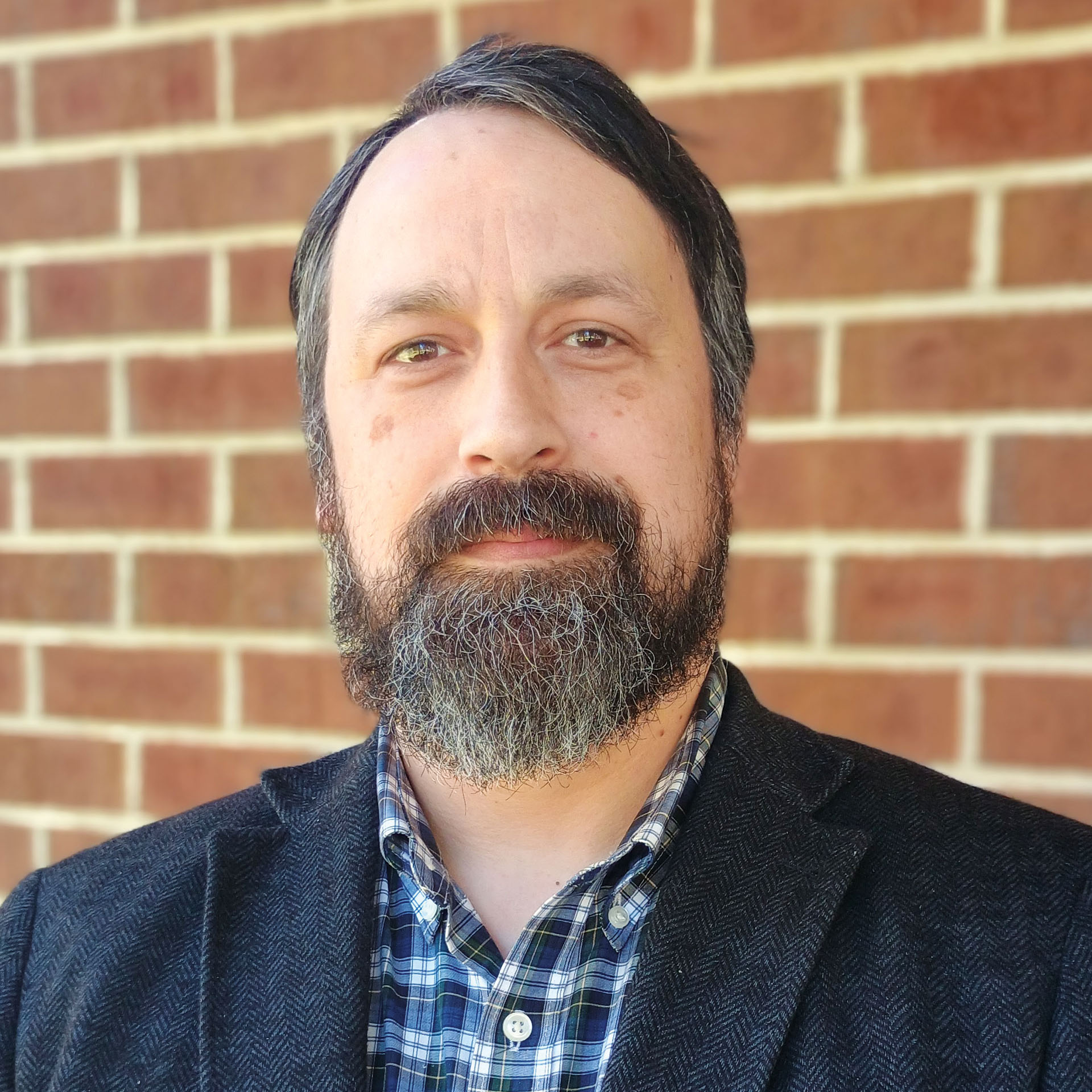
Dustan said the hands-on experience and opportunities to observe prosecutors and defense attorneys in action all affirmed he was in the right place. When he received his bar results that fall, he spent a few weeks doing document review while waiting for a position to open. When it did, he felt confident he would be chosen.
“I felt like the interview had already happened,” he said. “The people who were making those decisions knew that I’d been handling dockets for months. The interview was with folks I’d been working with.”
Among those who hired Dustan was his supervisor, Susan Fierro. Working with her, he said, helped him develop confidence as a young attorney learning the ropes.
“She talked about having the courage of your convictions, even when defense attorneys, judges, witnesses, and police officers are making you second-guess yourself,” he said. “The most important thing she did for me was to help me understand that if I’m trying to do the right thing above all else, things will work out.”
When Fierro was elected commonwealth’s attorney for Prince George County, Dustan followed her. Then, in 2022, he left for Powhatan County, where he now serves as the deputy commonwealth’s attorney.
“The career that I started in Bridge to Practice is the career that I’ve been in ever since,” he said.
“It laid the groundwork for everything I’ve been able to achieve.”
As graduation approached, Ryan Foreman, L’12, and his fiancée were exploring career options in both Colorado and California. They settled on Colorado, but while en route, his fiancée was offered a job in San Diego. The couple took a left turn in Texas and headed for the West Coast.
That’s when Foreman found himself searching for a job in a state where he had no contacts and where the rigorous requirements made it challenging for out-of-state graduates to break into public interest law.
“One of the reasons I went to Richmond was for the clinical experience — and I was lucky enough to graduate with great experience,” he said. “But then I found out I didn’t qualify for any of the positions because I didn’t have California experience.
“Thankfully, I had already applied for the Bridge to Practice Fellowship, which connected me and allowed me to work with the California Innocence Project. The fellowship was instrumental to overcoming a barrier that I didn’t even know existed.”
Foreman initially worked for a post-conviction relief attorney at the California Innocence Project, which led to a clerkship position and then a role at a family law firm. Two years after arriving in San Diego, he had built up the requisite experience to secure a job as a prosecutor with the city attorney’s office.
“It was a dream job,” he said. “I loved every minute of my time there.”
Five years later, Foreman’s wife was recruited for a role in Boston, and the couple set out on another cross-country move. And again, Foreman was able to leverage his background into a role with the crime strategies bureau of the Suffolk County, Massachusetts, district attorney’s office.
“My workload consisted of gang shootings, gang firearm suppression activity, gang infiltration through social media, gun and car and scooter theft ring investigations,” he said. “I was also on the homicide response team. In Massachusetts, when a homicide is suspected, the district attorney’s office leads the investigation, and I was one member of the team who responded to those scenes.”
Foreman was passionate about the work. He was particularly interested in evidence-based prosecution
— a more holistic approach to preventing violence among young people — after meeting the commonwealth’s attorney in Richmond, Herring, as a law student.
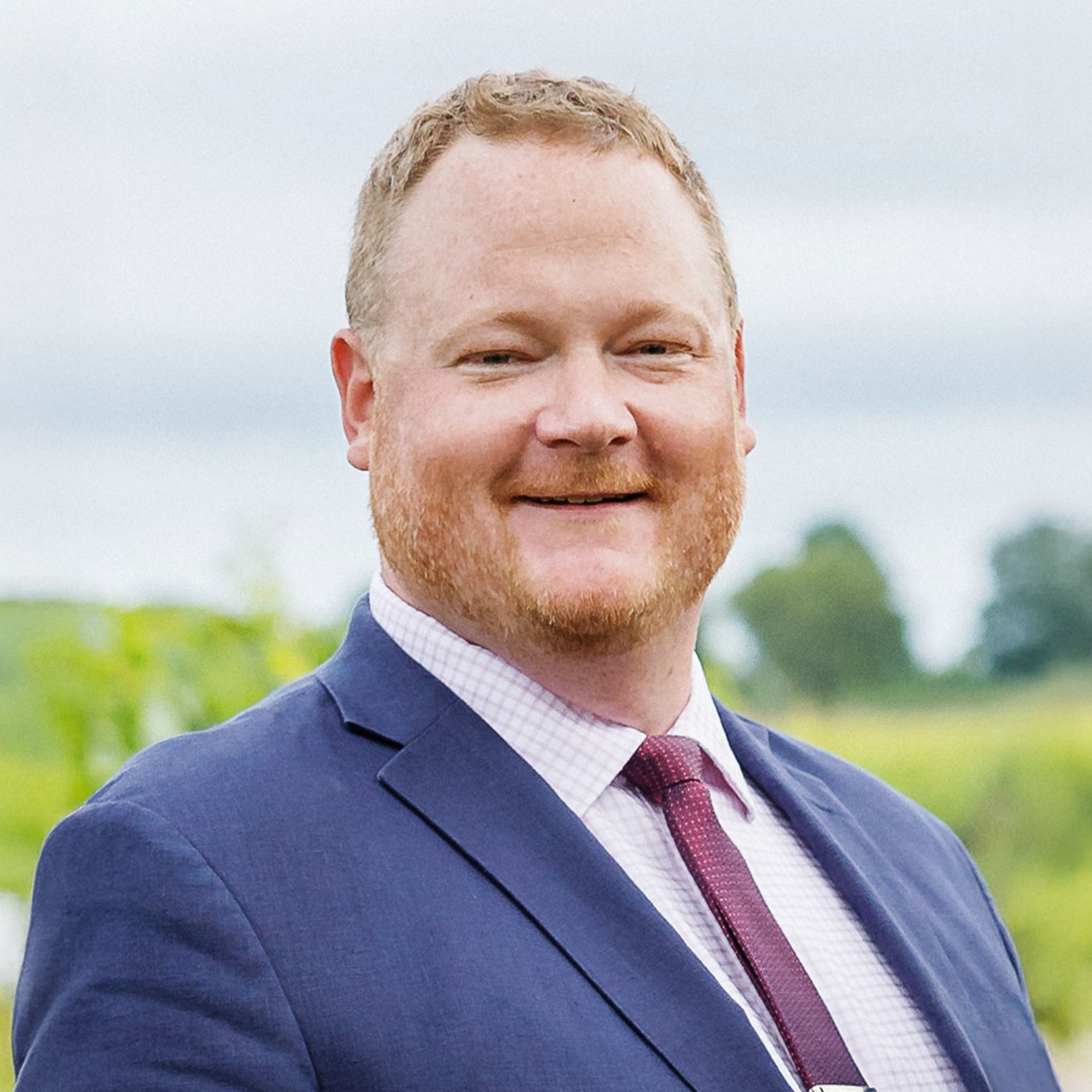
“The fellowship was instrumental to overcoming a barrier that I didn’t even know existed.”
“I saw that you can do a lot of good from inside a prosecutor’s office when you develop the experience and do the work necessary to be trusted with the authority and discretion,” he said.
Still, the job wasn’t without its challenges. The long hours were especially difficult to balance while raising two young children. When he got a call offering him a hearing officer role in a state agency that oversees child care licensing in Massachusetts, he took it.
The position might seem like a dramatic change in course. But Foreman said all the roles he’s held — from the California Innocence Project to the family law firm, from the DA’s office to hearing child care licensing appeals — all come back to a desire to help people.
“If I can use my ethics and judgment decisions to keep a child in a safe, secure, high-quality early education program, then that child will grow up with those social skills and understanding of their value,” he said. “People have a chance to be successful if you make the right decisions possible for them.
“The job I have now stems from my Bridge to Practice experience. It was a fundamental part of the start of my career and laid the groundwork for everything I’ve been able to achieve.”